
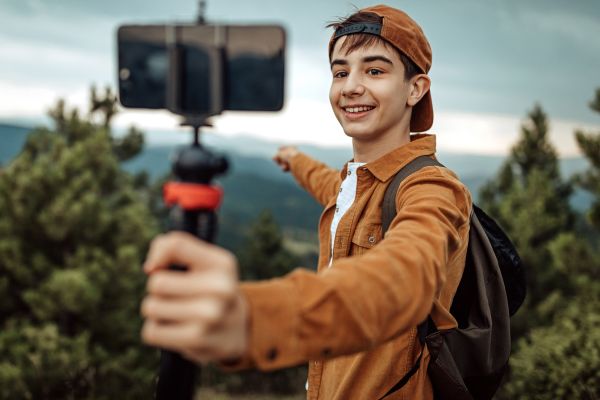
Why Sound Matters More Than Most Travel Vloggers Expect
Travel vlogging is often treated as a visual craft first. The sunsets, street markets, hotel rooms, train windows, and mountain roads get all the attention. It makes sense. Travel is visual by nature. But anyone who has watched a beautiful vlog with muffled speech, harsh wind noise, or echoing audio knows how quickly poor sound can break the feeling.
Good audio brings the viewer closer. It lets them hear the quiet crunch of footsteps on a trail, the chatter of a local market, the calm tone of a voiceover, or the excitement in a spontaneous reaction. That is why microphones for travel vlogging are not just accessories. They shape how a travel story feels.
A camera can capture where you are, but sound captures what it was like to be there. For travel vloggers, that difference matters.
Understanding What Makes a Good Travel Microphone
The best microphone for travel vlogging is not always the most expensive or the biggest. In fact, travel usually rewards gear that is light, reliable, and easy to use when things are moving quickly. A microphone may sound beautiful in a quiet room, but if it is awkward to carry through an airport or too fragile for outdoor filming, it may not be the right choice.
A good travel microphone should handle movement, changing weather, background noise, and different filming styles. One day you may be speaking directly to the camera in a busy street. The next day, you may be recording a peaceful voiceover in a hotel room. Sometimes you need clear dialogue. Sometimes you want atmosphere. Often, you need both.
This is why choosing microphones for travel vlogging starts with understanding how you actually film. A solo creator walking through cities has different needs from a couple filming conversations. A food vlogger in crowded cafés needs something different from a hiker recording mountain scenes.
Shotgun Microphones for On-Camera Travel Filming
Shotgun microphones are a popular choice for travel vloggers because they sit directly on the camera and capture sound from the direction they are pointed. They are simple, compact, and useful for run-and-gun filming. If you often talk to the camera while walking, entering places, or reacting to what is around you, a small shotgun mic can make your voice much clearer than the built-in camera microphone.
The main advantage is convenience. You do not have to clip anything onto your shirt or manage separate audio files. You attach the mic, check that it is connected, and film. For travel days when you are moving between locations, that simplicity can save a lot of frustration.
Shotgun microphones are especially helpful when you want your voice to stand out from general background noise. They will not remove every sound around you, but they can make the audio feel more focused. In busy tourist streets, train stations, or windy viewpoints, adding a windscreen is almost essential. Without one, even a good microphone can struggle outdoors.
Lavalier Microphones for Clear Speaking Audio
Lavalier microphones, often called lapel mics, are small microphones clipped near the speaker’s mouth. They are excellent for clear dialogue because they stay close to the voice. For travel vloggers who explain places, film walking tours, record interviews, or create more personal storytelling videos, lavaliers can be incredibly useful.
A lavalier microphone gives the voice a close, steady sound even when the camera is farther away. This is helpful if you want to show more of the background while still keeping your speech clear. Imagine standing in front of a historic building or a wide beach scene. With a camera-mounted microphone, your voice may feel distant. With a lavalier, it stays present.
The only downside is that lavaliers need a little more setup. You have to place the mic carefully, hide or manage the cable if it is wired, and avoid clothing rustle. A shirt collar, scarf, jacket zipper, or backpack strap can easily brush against the mic. Still, once you learn how to position it properly, a lavalier can produce some of the cleanest audio for travel videos.
Wireless Microphones for Flexible Travel Stories
Wireless microphones have become especially useful for modern travel creators. They usually include a small transmitter worn by the speaker and a receiver connected to the camera or phone. This gives you freedom to move while keeping the audio close and clear.
For travel vlogging, wireless microphones are great when you want to walk through a location, film from a distance, or speak while showing the environment around you. They also work well for two-person vlogs, quick interviews, street food videos, and guided-style travel content.
The appeal is obvious. You can step away from the camera and still be heard. You can record while walking through a market or standing across a scenic viewpoint. The viewer gets a wider visual frame without losing the intimacy of your voice.
Battery life and signal stability are the main things to watch. Travel days can be long, and it is easy to forget to charge small devices. A wireless mic should be treated like your camera batteries and memory cards. It needs to be part of your regular packing and charging routine.
USB and Mobile Microphones for Voiceovers and Phone Vlogging
Not every travel video is filmed with a camera. Many vloggers use phones, especially for short-form content or lightweight trips. For this style, compact mobile microphones can make a noticeable difference. They plug into a phone or connect through an adapter and offer cleaner sound than the phone’s built-in mic.
These microphones are useful for quick city clips, hotel room updates, café reviews, and spontaneous travel moments. They are small enough to keep in a pocket or day bag, which makes them ideal for creators who do not want a full equipment setup.
USB microphones can also be useful, but mostly for voiceovers rather than outdoor filming. If you write narration after a trip, a simple USB mic can help you record warm, clean audio from your room. This can add polish to a vlog without making the actual travel filming more complicated.
For many creators, the best setup is not one microphone but a combination. A small on-camera mic for daily filming, a lavalier or wireless mic for talking sections, and a basic voiceover mic at home can cover most situations.
Wind Noise and Outdoor Travel Conditions
Wind is one of the biggest enemies of travel audio. It can ruin a clip that looked perfect on camera. Beaches, rooftops, mountain trails, boat rides, deserts, open streets, and even mild breezes can create harsh noise across the microphone.
This is why wind protection matters as much as the microphone itself. A foam cover is better than nothing, but a furry windscreen usually works better outdoors. It may look a little funny on camera, but it can save your audio.
Travel also brings dust, humidity, sudden rain, and rough handling. A microphone used outdoors should be kept in a small pouch or hard case when not in use. It does not need to be treated like glass, but it should not be thrown loose into a backpack with keys, chargers, and snacks either.
The more you travel, the more you learn that good gear is gear you can trust when conditions are imperfect.
Choosing a Microphone Based on Your Vlogging Style
There is no single best choice for everyone. The right microphone depends on the kind of videos you make. If your vlog is mostly handheld talking clips, a compact shotgun microphone may be the most natural fit. If your videos include sit-down storytelling, explanations, or interviews, a lavalier can give your voice more clarity. If you move around a lot or film from a distance, wireless microphones are often the most flexible.
Solo travelers may prefer simple gear that can be set up quickly. Couples or group vloggers may need a system that records more than one voice. Adventure vloggers should think carefully about wind, durability, and battery life. City vloggers may need better control over traffic and crowd noise.
The goal is not to build the most impressive gear bag. It is to choose equipment that supports the way you already create. A microphone should make filming easier, not make every travel day feel like a production job.
Small Habits That Improve Travel Audio
Even the best microphone cannot fix every mistake. Good audio also comes from small habits. Check your levels before recording. Listen back to short test clips when possible. Keep the microphone away from rubbing fabric. Use wind protection outdoors. Speak clearly, but do not shout unless the moment calls for it.
It also helps to record a few seconds of natural sound wherever you are. The sound of waves, temple bells, café noise, birds, footsteps, or train announcements can make a travel vlog feel alive. These little audio details are easy to forget, but they add texture when editing.
Travel vlogging is not only about explaining a place. Sometimes it is about letting the place breathe.
Conclusion
Choosing the best microphones for travel vlogging is really about choosing how you want your stories to be heard. A shotgun microphone keeps things simple and focused. A lavalier brings the voice close and clear. A wireless system gives movement and freedom. Mobile and USB microphones help when you are filming lightly or adding narration later.
The right setup does not have to be complicated. It only needs to match your style, your destinations, and the way you move through the world with a camera. Beautiful footage may catch attention first, but clear, natural sound is what helps viewers stay inside the journey. For travel vloggers, that is where the story often becomes real.