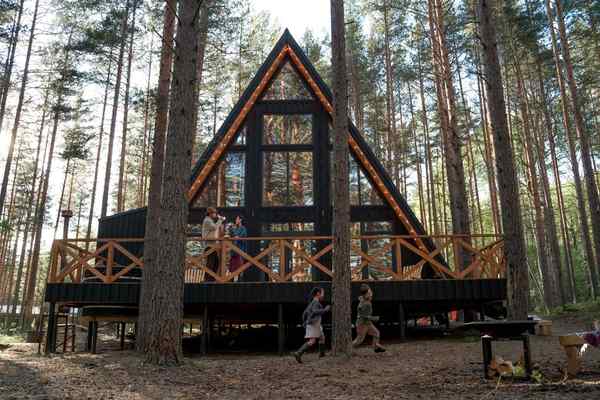
Sleeping close to nature sounds wonderful until you picture a leaking tent, a midnight walk to the toilet and children who refuse to settle. Family glamping holidays in the UK offer another way to enjoy the outdoors: fresh air and muddy adventures during the day, with a more comfortable place to return to at night. The trick is knowing what “glamping” actually includes. One site’s luxury cabin has a private bathroom; another’s pod provides little more than a mattress.
For parents, the best stay is not necessarily the fanciest. It is the one that makes family routines manageable while leaving room for exploring.
Match the accommodation to your family’s routine
Start with the practical questions. Does anyone wake for a night-time toilet trip? Will a toddler need a nap? Can everybody sleep in one room? These answers matter more than photographs of fairy lights.
Family glamping pods
Pods are a popular introduction to glamping with kids in the UK because they provide solid walls and a roof without losing the campsite atmosphere. Facilities vary dramatically, though. Basic pods might offer mattresses but require you to bring bedding and cooking equipment. More equipped versions include heating, a kitchenette and an en-suite shower. Read the exact unit description rather than assuming every pod works like a holiday cottage.
Safari tents and bell tents
Pre-pitched canvas accommodation feels closer to traditional camping. Furnished safari tents may have proper beds, a dining area and covered decking. Bell tents can be simpler. Canvas lets through outdoor noise, and temperatures change more noticeably, so check the heating arrangements and whether there is somewhere dry to eat when it rains.
Cabins, lodges and shepherd’s huts
A cabin with its own bathroom and cooking space can be easiest for younger children, particularly outside summer. Shepherd’s huts look charming but may be too compact for larger families. Check the actual sleeping layout: a sofa bed beside the table is different from separate bunks.
Look beyond the words “child friendly”
Child friendly glamping means different things at different sites. A playground is welcome, but safe access to toilets and room for a pushchair can matter more. Ask how far the unit is from parking, whether bathrooms are shared, and if there is reliable hot water. Confirm travel cots or highchairs rather than assuming they are included.
Look carefully for unfenced ponds, raised decking, vehicle routes and steep paths. Accessibility descriptions can be vague, too: gravel paths, steps and narrow entrances are easily missed in attractive photographs. Ask the host specific questions if the listing leaves anything uncertain.
Choose a setting that suits your children’s energy
Location shapes the entire holiday. Woodland stays in places such as the Forest of Dean or Northumberland appeal to families who enjoy nature trails. Coastal sites in Cornwall, Pembrokeshire or Norfolk combine beach days with a cosy base. The Lake District and Scottish Highlands offer memorable scenery, but changeable weather and steeper terrain deserve extra planning.
For a first trip, consider somewhere within a manageable drive of home. Two nights near a farm park or an easy woodland walk can feel more relaxing than a long journey to an isolated beauty spot. Check travel times from the accommodation, not merely the region in the listing.
Plan around one memorable activity each day
A family break need not resemble an expensive activity holiday. Children may remember spotting rabbits at dusk or eating breakfast on the deck more vividly than a packed itinerary.
Imagine a weekend with a six-year-old and a toddler in a heated pod. Arrive before dusk to find the toilets and unpack calmly. Spend Saturday morning on a short trail, leave the afternoon free for naps and play, then make a simple supper. Visit one nearby attraction on Sunday before heading home. This rhythm allows for wet socks, tired legs and unexpected discoveries.
Keep one indoor alternative in mind, such as a museum or café. A few rainy-day activities for kids are useful when the forecast changes and another car journey sounds exhausting.
Make meals simple rather than elaborate
Check whether your accommodation has a hob, microwave, fridge or only a shared washing-up area. A firepit does not automatically mean cooking over flames is allowed; some sites restrict barbecues and fires.
For a short stay, bring one easy dinner, familiar breakfasts and portable snacks. Pack reusable bottles and food containers if needed. If you plan to eat out, check local opening hours, particularly outside peak season. Keep children away from hot cooking equipment, and never use barbecues or camping stoves inside tents, pods or other enclosed spaces because of fire and carbon monoxide risks.
Pack for British weather, even with a proper roof
Glamping does not eliminate muddy paths or sudden showers. Check the Met Office forecast and weather warnings before departure. Waterproof coats, wellies, spare socks and warm evening layers are more useful than packing only summer clothing.
Bring a torch for unlit paths, familiar bedtime items, basic first-aid supplies and a bag for damp clothes. Ask whether towels, pillows and bed linen are included. A family travel packing checklist helps when the host supplies some essentials but not others. For younger children, a night-light can make an unfamiliar sleeping space more reassuring.
Understand the total cost before paying
Compare the whole booking price rather than the headline nightly rate. Cleaning fees, bedding hire, pet charges, deposits and minimum-night rules may change the total. A simple pod with shared facilities can still offer good value if the compromises suit your family.
Flexibility with dates may broaden your choices when school-holiday periods are busy. Read cancellation terms and recent reviews from parents with similarly aged children. Also check arrival times: a late check-in may be inconvenient when bedtime is early.
Frequently asked questions
Are family glamping holidays suitable for toddlers?
Yes, if the layout meets their needs. Prioritise secure sleeping arrangements, easy toilet access, safe outdoor space and room for a cot. Ask about nearby water features and raised decking.
Do family glamping pods have toilets and showers?
Some have private bathrooms, while others use shared facilities. Confirm exactly what is inside your unit and how far the nearest shower and toilet block is.
What is the best time of year for glamping with children?
Late spring to early autumn often offers longer days, but UK conditions vary. Heated cabins can suit cooler months; canvas stays may be chilly overnight. Choose according to the facilities and forecast.
Is glamping cheaper than a hotel?
Not always. Basic pods can be economical, while luxury lodges may cost more. Compare the total price, sleeping arrangements, cooking facilities and included activities.
Bring home the outdoor memories, not the stress
The best family glamping holidays balance little adventures with everyday comfort. Choose accommodation around sleep, bathrooms, meals and manageable travel. Then leave breathing room in the itinerary. A warm bed after a woodland walk and an evening listening to the rain can be more than enough to make the trip feel special.