
Europe has always known how to celebrate. Across the continent, festivals are woven into local identity, seasonal rhythms, religious traditions, music culture, and public life. Some are centuries old, born from harvest rituals or sacred calendars. Others feel modern, electric, and shaped by contemporary art, film, or nightlife. Together, they reveal something essential about Europe: celebration here is rarely casual.
To experience a festival in Europe is to see cities transformed. Streets become stages. Historic squares fill with music. Costumes appear where business suits stood yesterday. Entire communities participate, and visitors are often welcomed into the spectacle.
For travelers planning unforgettable experiences, exploring the most famous festivals in Europe is one of the richest ways to understand the continent beyond landmarks and museums.
Oktoberfest in Germany
Oktoberfest is one of the most recognized festivals in the world. Held in Munich, it began in the early nineteenth century and has grown into a vast annual celebration of Bavarian culture.
People often associate it only with beer, but that tells only part of the story. Traditional clothing, brass bands, food halls, carnival rides, and a strong sense of local identity shape the atmosphere.
What surprises many first-time visitors is how communal it feels. Families attend during the day, friends gather at long tables, and the city hums with seasonal energy.
Carnival in Venice, Italy
Carnival of Venice feels like stepping into another century. Famous for elaborate masks and ornate costumes, the festival transforms Venice into a theatrical dreamscape.
The city’s canals, bridges, and fading palaces already feel cinematic. During Carnival, that atmosphere deepens. Masked figures drift through narrow streets, candlelit events unfold behind historic doors, and public squares become living stages.
Among all famous festivals in Europe, few are as visually iconic or romantic.
La Tomatina in Spain
La Tomatina is joyful chaos in the best possible sense. Held in the town of Buñol, the event centers on a massive tomato fight that turns streets into rivers of red pulp.
It sounds absurd because it is, and that is part of the appeal. Thousands gather not for tradition in the solemn sense, but for shared playfulness.
Yet beneath the spectacle lies something meaningful: the human desire for collective release, laughter, and temporary disorder.
Running of the Bulls in Pamplona
San Fermín, internationally known for the Running of the Bulls, is among Europe’s most debated and famous events.
Held in Pamplona, the festival includes religious processions, music, gatherings, and all-night celebration in addition to the headline run.
Whatever one’s view of the bull run itself, there is no denying the intensity and cultural significance of the wider festival. It is energetic, emotional, and deeply tied to local identity.
Edinburgh Festival Fringe in Scotland
Edinburgh Festival Fringe is a different kind of spectacle. Instead of one central ritual, it becomes a citywide explosion of performance.
Every August, Edinburgh fills with comedians, actors, musicians, storytellers, dancers, and experimental artists from around the world. The streets buzz with flyers, pop-up acts, and late-night conversations.
The Fringe feels democratic and unpredictable. A tiny basement show may become the talk of the festival. A first-time performer may share the city with established stars.
For lovers of creativity, it is one of the most exciting gatherings in Europe.
Tomorrowland in Belgium
Tomorrowland has become legendary in global electronic music culture. Hosted in Boom, it combines large-scale production, elaborate stage design, and audiences from dozens of countries.
Even those outside dance music circles often recognize its visual scale. Fireworks, immersive themes, costumes, and synchronized crowds create an almost surreal atmosphere.
Among modern famous festivals in Europe, Tomorrowland shows how new traditions can become iconic surprisingly quickly.
Cannes Film Festival in France
Cannes Film Festival represents glamour, cinema, and artistic prestige. Held in Cannes on the French Riviera, it draws filmmakers, actors, critics, and global media attention each year.
Most travelers will never attend private premieres, yet the city itself changes during festival season. Red carpets, photographers, sea views, and international buzz create a distinct atmosphere.
Cannes reminds visitors that festivals are not only folk celebrations or street parties. They can also shape global culture.
St. Patrick’s Celebrations in Ireland
Saint Patrick’s Day celebrations, especially in Dublin, blend national pride with public festivity. Parades, music, dancing, community gatherings, and unmistakable green everywhere define the mood.
Though celebrated worldwide, experiencing it in Ireland carries a different energy. There is humor, warmth, and a strong sense of cultural ownership.
It is both festive and deeply rooted.
Sziget Festival in Hungary
Sziget Festival turns an island in Budapest into a temporary city of music and culture. Large headline performances mix with art spaces, food zones, workshops, and international crowds.
What many attendees love most is the atmosphere of openness. It feels less like a single concert series and more like a week-long creative community.
That social energy keeps people returning.
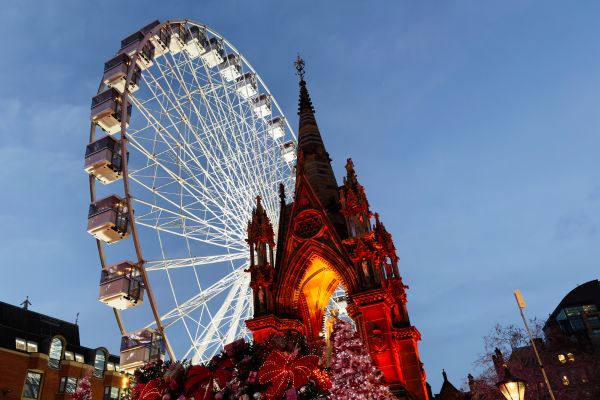
Christmas Markets Across Central Europe
Not all festivals revolve around summer crowds or nightlife. Winter brings some of the most beloved experiences in Europe through Christmas markets.
Cities such as Vienna, Prague, Nuremberg, and Strasbourg host markets filled with lights, seasonal food, handmade gifts, and festive music.
These gatherings feel gentler than many major festivals, yet no less memorable. They capture warmth during the coldest season.
Why Festivals Reveal Europe So Well
Travelers often focus on monuments, museums, and scenic routes. Those matter, but festivals reveal living culture rather than preserved culture.
You see how people celebrate, what they value, how communities gather, what music fills the streets, what foods are shared, and how tradition adapts over time.
That is why visiting famous festivals in Europe can feel more intimate than simply sightseeing.
Planning Around Festival Seasons
Large festivals require planning. Accommodation fills early, transport gets busy, and city prices may rise. Crowds can be intense, especially at globally known events.
Yet those same crowds are part of the magic. Energy is created by shared presence.
Choosing between major international festivals and smaller local ones often depends on whether you want spectacle or authenticity. Sometimes the best answer is both.
Conclusion
The most famous festivals in Europe endure because they offer more than entertainment. They create belonging, memory, and moments when ordinary life gives way to something larger. Whether it is masked elegance in Venice, laughter in Buñol, music in Belgium, theatre in Edinburgh, or winter lights in Vienna, each celebration reveals a different side of Europe.
Festivals remind travelers that culture is not only found in history books or architecture. Sometimes it is found in a crowded square, a shared song, or a city dancing late into the night.