
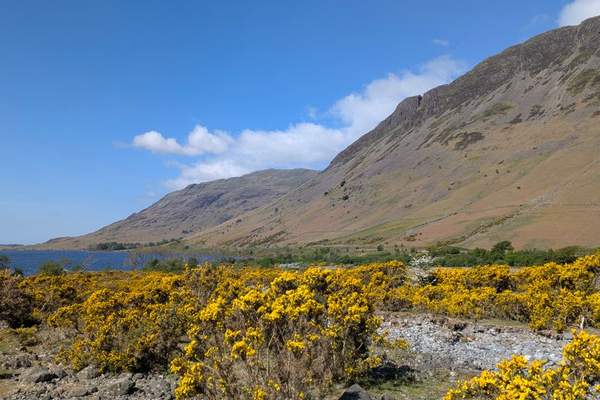
The Lake District is one of the easiest UK staycation choices to understand and one of the hardest to plan well. The scenery is the obvious draw, but the national park covers a large area of lakes, valleys, villages and high fells, so trying to see everything in a long weekend usually means spending too much time in the car. A better Lake District travel guide starts with one question: what kind of break do you want? Families may prioritise boat trips and easy lakeside walks, while keen hikers will want quick access to the fells.
When is the best time to visit the Lake District?
Late spring to early autumn is the most popular period, especially from May through September. May and June can be a sweet spot for walkers because daylight is long and the landscape is fresh, while July and August suit school-holiday trips but bring the biggest crowds to places such as Windermere, Ambleside and Keswick.
September and October are excellent if you prefer cooler walking weather and autumn colour. Winter has a quieter atmosphere, but short daylight hours, wet ground, ice and rapidly changing mountain conditions mean high-level routes require more experience and preparation.
Whatever month you choose, build flexibility into your plans. Lake District weather can change quickly. Pack a waterproof layer, suitable footwear and an alternative low-level activity for wet or windy days.
Where should you stay?
For a first visit, Windermere, Bowness-on-Windermere or Ambleside are convenient bases. Windermere is England’s largest lake, and this area has strong bus, rail and boat connections, making it practical for visitors who would rather not drive every day. Bowness is lively and close to lake cruises, while Ambleside puts you nearer to classic walking country.
Keswick is a better base if your priority is the northern lakes, Derwentwater and popular Lake District walks around Borrowdale, Catbells and Skiddaw. Grasmere feels smaller and more village-like, with easy access to Rydal Water and gentler valley walks.
Things to do in the Lake District
Take a boat trip on Windermere
A lake cruise is an ideal first-day activity because it gives you a sense of the landscape without demanding much effort after the journey. Services around Windermere connect popular stops including Bowness, Ambleside, Brockhole and Lakeside, so a cruise can be combined with a short walk, family attraction or café stop.
Choose a walk that matches your ability
The best Lake District walks are not necessarily the highest. Catbells above Derwentwater is famous for big views on a compact outing, but it still includes steep and rocky sections. Tarn Hows offers a gentler landscape, while the national park’s Miles without Stiles network includes accessible routes. Experienced walkers may aim for Helvellyn or Scafell Pike, England’s highest mountain at 978 metres, but high fells demand proper navigation, weather awareness and suitable equipment.
See Aira Force and Ullswater
Aira Force is one of the best-known Lake District attractions, with woodland paths leading to a dramatic 65-foot waterfall. The terrain includes steps, uneven surfaces and steep sections, so sturdy footwear is sensible. For a fuller day, combine the falls with Ullswater: arriving by boat or bus can be more relaxing than competing for parking at peak times.
Spend time in Grasmere and the central lakes
Grasmere works well when you want a slower day between bigger walks. You can explore the village, visit the Wordsworth connections, walk towards Rydal Water or simply enjoy the valley without a fixed schedule. A good Lake District break does not need to be a checklist of summits.
How to plan a relaxed three-day Lake District stay
A practical first-timer itinerary is to stay around Windermere or Ambleside and keep each day geographically compact. On day one, take a Windermere cruise and explore Bowness or Brockhole. On day two, choose one walk suited to the weather and your group’s fitness, then leave time for a long lunch or lakeside stop. On day three, head towards Grasmere and Rydal for a gentler walk before travelling home.
That approach works particularly well for families because it avoids long cross-park drives and leaves room to change plans if the weather turns. If Keswick is your base, use the same principle around Derwentwater and Borrowdale.
Getting around without spending the trip in traffic
The national park encourages visitors to use trains, buses, boats, bikes and walking routes where practical. Mainline rail access is available via stations such as Oxenholme and Penrith, with a branch line continuing to Windermere. Local buses connect many well-known towns and valleys, and passenger boats operate on several lakes.
If you are driving, avoid treating narrow rural roads like fast shortcuts and do not rely blindly on sat-nav instructions. In busy periods, an early start can make parking easier. Better still, park once and use a bus or boat for part of the day.
Lake District travel tips that make a real difference
Book accommodation early for school holidays and summer weekends, but keep daytime plans flexible. Check walking conditions and transport timetables shortly before setting out. Carry water and layers even for shorter walks, and choose routes based on the least experienced person in your group rather than the strongest.
It also helps to plan one weather-proof option each day. A boat trip, museum, café stop, village visit or lower-level lakeside walk can rescue a wet afternoon. Natural follow-on reading includes UK staycation ideas, family-friendly walking holidays and weekend breaks in England.
Frequently asked questions
How many days do you need in the Lake District?
Three days is enough for a satisfying first visit if you focus on one area. Four or five days gives you more flexibility for changing weather and lets you combine different lakes without rushing.
Is the Lake District good for families?
Yes. Families can mix cruises, easy-access routes, waterfalls, visitor attractions and short walks. Choose activities that match children’s ages and be realistic about steep or rocky terrain.
Can you visit the Lake District without a car?
Yes, particularly if you base yourself around Windermere, Ambleside or Keswick. Rail, bus and boat connections can cover many popular areas, although checking current timetables before travelling is essential.
What should you pack for a Lake District trip?
Bring waterproof outer layers, comfortable footwear with good grip, warm layers, a reusable water bottle and a small day bag. For higher walks, add a map or reliable navigation method and equipment suited to the forecast and terrain.
Make the Lake District feel like a break, not a race
The most memorable visits usually come from doing less, not more. Pick a base that suits your priorities, choose one main activity each day and leave space for weather changes, lakeside pauses and unplanned stops. With that approach, the Lake District becomes what a UK staycation should be: scenic, restorative and easy to enjoy at your own pace.