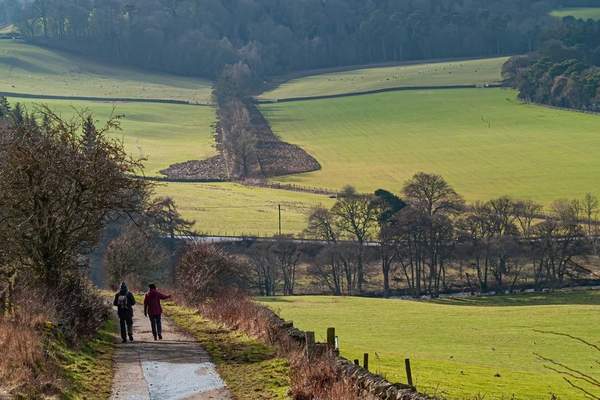
A hiking holiday does not have to mean carrying a tent across a remote mountain range. For UK travellers, the best trips in 2026 range from gentle lakeside days and luggage-supported coastal walks to demanding hut-to-hut routes in the Alps. The right choice depends on daily distance, ascent, weather, accommodation and how much navigation you want to handle yourself.
The routes below cover domestic breaks and short-haul options for first-time walkers and experienced hikers. Always check official trail conditions, transport and accommodation before departure, especially in mountain regions where snow, storms or maintenance can alter access.
Lake District, England
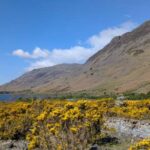
The Lake District is one of the most flexible walking holidays in the UK because one base can support completely different days. Beginners can use lakeside routes and the park’s Miles Without Stiles network, while confident hillwalkers can tackle classic fells. The Ullswater Way, a 20-mile circuit that can be divided into sections using local transport, works well for walkers who want scenery without repeated summits.
Stay in Keswick, Ambleside or Penrith for access to buses, boats and varied routes. Weather can change quickly, so select a walk by current conditions rather than forcing a fixed summit plan.
West Highland Way, Scotland
Running from Milngavie to Fort William, the West Highland Way combines lochside paths, old military roads, moorland and Highland scenery. Most walkers complete it as a multi-day journey, although transport links make shorter sections possible. The usual south-to-north direction allows the landscape to become progressively wilder.
This is a strong first long-distance trail for reasonably fit walkers because it is established and supported by accommodation and luggage-transfer services. It is not effortless: the rough Loch Lomond section and long exposed stages can be tiring. Pack for rain, book beds early and prepare for midges during warmer months.
South West Coast Path, England
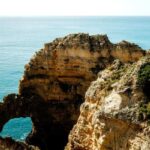
The full South West Coast Path stretches 630 miles from Minehead to Poole, but a one-week section is more realistic for most people. Cornwall offers cliffs and fishing villages, Dorset adds dramatic geology, and Devon combines wooded estuaries with open headlands. Regular towns and transport links make it easy to build a route around your available time.
Do not mistake a coastal walk for a flat one. Repeated descents into coves and climbs back to headlands produce demanding days. Check ascent as well as mileage when comparing stages; a short section with steep steps can feel harder than a much longer inland walk.
Camino Francés, Spain
The Camino Francés suits travellers who want a social walking experience rather than a wilderness expedition. The final stretch from Sarria to Santiago de Compostela fits into roughly a week and passes through Galician villages, woodland and farmland. Waymarking is frequent, and walkers can choose simple pilgrim accommodation or comfortable hotels.
Its challenge is repetition rather than technical terrain. Walking day after day can expose footwear problems that never appear on a weekend hike. Train with consecutive walking days and carry less than you think you need. Spring and early autumn usually offer a better balance of temperatures and services than peak summer.
Tour du Mont Blanc, France, Italy and Switzerland
The Tour du Mont Blanc is one of the best hiking routes for experienced walkers seeking a classic Alpine circuit. It crosses high passes and links valleys in three countries, with nights in villages or mountain refuges.
Daily ascent matters more than the headline distance. Walkers should be comfortable spending several hours on steep ground while carrying a day pack. Refuge capacity is limited, so reserve early. Guided and self-guided packages can organise rooms, transfers and luggage, but they do not replace mountain fitness or suitable clothing.
Madeira, Portugal
Madeira combines levada paths, laurel forest, volcanic ridges and Atlantic viewpoints. Many routes work as day walks from one hotel, making the island suitable for groups with mixed ambitions. Easier levada walks can be paired with more demanding mountain days.
Official PR trails may require online reservations, and closures or partial openings can change after weather damage or maintenance. Check official status shortly before each walk rather than relying on an old itinerary. Some levadas include tunnels and exposed edges, so bring a torch and choose routes that match your tolerance for heights.
Julian Alps and Juliana Trail, Slovenia
Slovenia offers Alpine scenery without making every day a high-mountain challenge. The Juliana Trail loops around the Julian Alps and Triglav National Park, connecting valleys, villages, rivers and cultural landscapes.
Experienced hikers can add higher mountain routes, but conditions and equipment requirements change quickly with altitude. Guided walking tours are sensible for summit ambitions or protected routes, while lower stages suit confident independent walkers.
Dolomites, Italy
The Dolomites deliver pale limestone towers, broad valleys and a strong network of refuges. Cortina d’Ampezzo works well as a base for day hikes, while the Alta Via 1 appeals to experienced walkers seeking a hut-to-hut journey.
Families and moderate walkers can use lifts and shorter valley routes, but high trails may cross steep, exposed terrain. Via ferrata routes are a separate activity requiring appropriate equipment, knowledge and often a guide. For a first trip, choose several well-matched day walks rather than assuming every famous viewpoint requires a strenuous traverse.
How to Choose the Right Hiking Holiday
Compare routes using the hardest day, not the average day. Look at ascent, underfoot conditions, exposure, accommodation and escape options. Someone comfortable with 15 miles on flat ground may struggle with eight miles of continuous climbing. A fit hillwalker may also dislike a route that requires shared dormitories every night.
Before booking, complete a practice weekend in the footwear and pack you plan to use. Walk on two consecutive days and note how your feet, knees and energy respond. That test gives more useful information than one long training walk.
Related planning guides include hiking packing lists, trail safety and walking-holiday insurance.
Frequently Asked Questions
What is the best hiking holiday for beginners?
A Lake District base, selected sections of the South West Coast Path or lower Juliana Trail stages offer flexible distances and comfortable accommodation. Beginners should avoid itineraries that make every stage compulsory.
Are self-guided hiking holidays safe?
They can suit competent walkers on established routes, provided you can navigate, check weather and make conservative decisions. Hire a guide for unfamiliar technical terrain, winter conditions or exposed mountain routes.
When should I book a 2026 walking holiday?
Book popular Alpine refuges, West Highland Way accommodation and luggage transfers as early as possible. Flexible UK base holidays may be arranged later, although school holidays and weekends still fill quickly.
Do I need specialist travel insurance?
Check that the policy covers hiking at the planned altitude, guided or independent travel, emergency rescue and any added activity such as via ferrata. Standard cover may contain limits or exclusions.
Choose the Landscape You Will Enjoy Walking Through
The best hiking holiday is not necessarily the hardest or most famous. Choose a route whose daily rhythm suits you, leave room for weather changes and treat recovery as part of the itinerary. With realistic planning, the UK coast, Scottish Highlands, Atlantic islands and European mountains can all offer a memorable 2026 walking trip without turning every day into an endurance test.