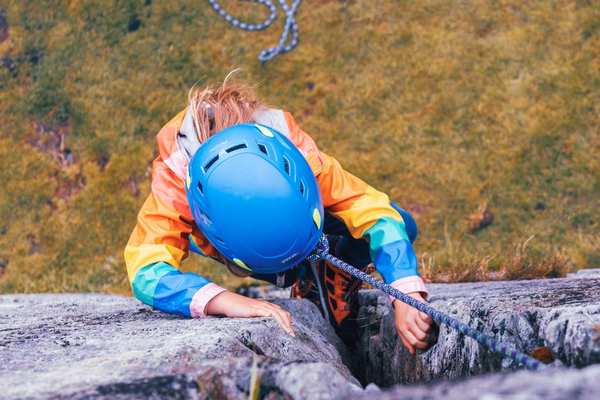
The best rock climbing holidays in the UK are built around more than a famous crag. The rock type, your experience, the forecast and even the tide can determine how much climbing you actually enjoy. A good trip gives you suitable routes, manageable approaches and somewhere comfortable to retreat when the weather changes.
Rather than collecting distant destinations, choose one climbing area as your base and leave room for a backup plan.
Where to go for a UK climbing holiday
Peak District: gritstone edges and convenient bases
The Peak District suits a first dedicated climbing break because crags, villages and alternative activities sit relatively close together. Stanage Edge is celebrated for gritstone trad climbing and bouldering, while limestone venues such as Horseshoe Quarry offer sport routes. Hathersage, Bakewell and nearby towns make useful bases. Gritstone demands careful footwork and route reading; indoor grades are not a reliable guide to how exposed an outdoor route will feel.
Eryri (Snowdonia): mountain atmosphere and varied rock
North Wales offers everything from accessible single-pitch climbing to serious mountain routes. The Llanberis area provides access to slate, mountain crags and established climbing centres. Its appeal is variety, but weather and approaches can change plans quickly. If you are considering longer routes in mountain terrain, go with a suitably experienced leader or qualified professional rather than treating them like an extended climbing-wall session.
Yorkshire and the Dales: limestone with a quieter pace
Yorkshire has limestone sport and traditional climbing, along with attractive village bases for walking and recovery days. Route character varies considerably between crags, so consult a current guidebook before choosing accommodation.
Pembrokeshire and the southwest: coastal climbing with extra decisions
Pembrokeshire’s sea cliffs offer memorable settings and often demanding traditional climbing. Parts of Cornwall and the Dorset coast also attract climbers. Coastal rock climbing trips in the UK need another planning layer: tides, sea conditions, changing weather, nesting-bird restrictions and the possibility of a complicated retreat. Choose non-tidal, accessible routes if you are still learning outdoors, and never assume every coastal cliff is suitable for novices.
Pick the climbing style before the destination
For a newcomer, a supervised outdoor taster session is often the most rewarding introduction. An instructor can help with helmets, movement, belaying and the differences between indoor holds and natural rock. A confident indoor top-rope climber may still need instruction before climbing independently outside.
Sport climbing usually involves established bolts but still requires competence in leading, belaying, lowering and checking fixed equipment. Traditional climbing adds placing and assessing removable protection. Multi-pitch climbing adds route finding, stance management, communication and complex retreat decisions. None is a simple progression based on fitness alone.
Before booking, write down what your group can safely do without assistance, not merely the highest grade someone has climbed. Match the holiday to the least experienced participant, then build in optional challenges for stronger climbers.
Should you book guided climbing in the UK?
Guided climbing UK providers can remove much of the uncertainty from a short break, particularly when your group has mixed abilities or wants to transition from indoor walls. Ask what terrain the day covers, the planned ratio of instructors to participants, which equipment is supplied and what happens if conditions prevent outdoor climbing.
Check that the instructor’s qualification and experience suit the activity. Mountain Training’s Rock Climbing Instructor qualification covers instruction on suitable single-pitch venues, but not teaching lead climbing or leading multi-pitch routes. More advanced activities require appropriately qualified and competent professionals. Ask about insurance and emergency procedures, too.
Weather, access and the timing of your trip
Late spring to early autumn offers longer daylight, but there is no guaranteed dry season for UK climbing holidays. Wind can make exposed edges unpleasant, and rain may render particular rock or approaches unsuitable. Build flexibility into your itinerary rather than committing every day to one cliff.
Check the British Mountaineering Council’s Regional Access Database shortly before visiting crags in England and Wales. It covers access advice, sensitive approaches and restrictions, including those protecting nesting birds. An older printed guidebook may not reflect current arrangements. At sea cliffs, consult reliable local tide information and understand the approach and escape route before committing.
Choose a wet-weather alternative such as an indoor wall, an easy walk or a rest day. The ability to switch plans is part of a successful trip, not a failure to climb.
What to pack and where to stay
For a guided session, confirm the kit supplied before buying anything. Depending on the activity, essentials may include correctly fitted climbing shoes, helmet, harness, appropriate ropes and protective equipment, all inspected and used by competent people. Never rely on unfamiliar borrowed equipment without checking its condition and suitability.
Also pack waterproof layers, warm clothing, water, food, a charged phone, offline maps and a small first-aid kit. Even a short approach can become cold or slippery. Group members should know the plan and how to summon help in an emergency.
Accommodation matters more than it first appears. Look for somewhere within reasonable reach of several suitable crags, with drying space for clothing and flexible meal arrangements. If travelling without a car, investigate transport and the walk to the crag before paying for a remote cottage.
A realistic three-day Peak District example
Suppose two indoor climbers and one complete beginner book a long weekend around Hathersage. On Friday they settle in and check forecasts, local access information and possible venues. On Saturday they take a qualified instructor-led session at a suitable single-pitch crag, focusing on outdoor movement and safe systems rather than chasing grades.
Sunday becomes a flexible day: more supervised climbing if booked, an indoor wall if rain arrives, or a walk if everyone needs recovery. They keep Monday morning for a short, appropriate outing before travelling home. This itinerary avoids the classic mistake of scheduling three consecutive hard days with no weather margin.
Frequently asked questions
Can beginners book rock climbing holidays in the UK?
Yes. Look for introductory trips with qualified instructors, suitable single-pitch venues and clearly stated equipment provision. You do not need to lead climb to enjoy your first outdoor day.
Which UK climbing destination is best for a weekend?
The Peak District is a practical choice for many travellers thanks to its concentration of crags and accommodation. The best option still depends on your starting point, preferred climbing style and weather forecast.
Do I need my own climbing equipment?
Not necessarily for an instructed session; many providers supply technical equipment. Confirm what is included, bring appropriate clothing and avoid independently using gear you are not trained to assess.
When is the best time to plan a climbing trip?
Longer, milder days can make late spring through early autumn convenient, but conditions vary by region and rock type. Always check access, weather and, for coastal routes, tides close to departure.
Make the holiday fit the climbers
The strongest UK rock climbing holidays are not the ones with the most impressive itinerary. They are trips where everyone has suitable terrain, enough time to learn and a sensible alternative when conditions shift. Pick a flexible base, be realistic about your skills and let the climbing fit the place.