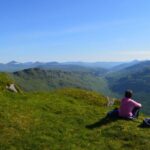

An adventure travel packing list for UK outdoor trips needs to prepare you for more than the conditions outside your front door. A bright morning in a Welsh valley can become a cold, windy afternoon on the ridge; a short coastal walk can stretch longer than expected when paths are muddy or tides affect access.
The sensible approach is to pack around the route, not a generic collection of gadgets. This checklist covers day hikes, weekend breaks and other active trips, with guidance on what to carry, what to wear and when specialist equipment is necessary.
Check the route before filling your rucksack
Start with distance, ascent, terrain and the time you expect to finish. Ten kilometres on a flat trail feels different from ten kilometres over loose mountain rock. Identify a shorter alternative and a realistic turnaround point. Check when daylight ends and tell someone your route and expected return time.
Read the forecast for the area you will actually explore. The Met Office provides dedicated mountain forecasts because temperature, visibility and wind can differ markedly between a summit and the nearby town. Review conditions again before departure, and change your plans if they exceed your experience.
Clothing and footwear: the adaptable foundation
Layers that work together
Wear a breathable, moisture-wicking base layer, add a fleece or insulating mid-layer, and carry a proper waterproof jacket. Waterproof trousers are useful for persistent rain or exposed upland routes. Pack an additional warm layer for breaks, when your body cools rapidly after climbing.
Include spare socks, a warm hat and gloves, even for many summer hill walks. Cotton jeans and heavy cotton tops tend to stay wet and uncomfortable. Sunny forecasts call for sunglasses, sun protection and a cap, not the removal of your waterproofs from the bag.
Footwear matched to the surface
Grippy trail shoes may suit firm, established paths. Wet rocks, boggy moorland and uneven descents may call for walking shoes or boots with better protection and traction. Wear your chosen footwear before the trip; new boots and unfamiliar socks are an avoidable recipe for blisters.
Navigation and safety equipment
For remote walking, carry an appropriate paper map and compass, and know how to use both. Offline phone maps are helpful but not infallible. Charge your phone, pack a power bank and protect electronics in a waterproof pouch. A head torch belongs in your pack even when you intend to return before sunset.
Other adventure trip essentials include a whistle, compact first-aid kit, personal medication and an emergency shelter or bivvy bag for exposed routes. A small rubbish bag, tissues and basic repair supplies are practical additions. If an activity requires protective gear, such as a cycling helmet, include it separately.
In a UK mountain emergency, call 999 or 112, ask for Police and then Mountain Rescue. Give your location or grid reference and describe the problem. Mobile coverage can be unreliable, so navigation skills and a shared route plan remain essential.
Food, drink and everyday extras
Bring enough water for the duration, exertion and expected temperature, with extra allowance for heat or delays. Do not assume untreated stream water is safe. Pack a meal for longer trips, easy-access snacks and a little reserve food. Eating and drinking regularly can prevent a tiring walk from becoming unnecessarily difficult.
Your outdoor travel gear list should also include blister plasters, hand sanitiser, identification, a payment card or cash, and required travel tickets. Use a waterproof rucksack liner or dry bags to protect spare clothes. Keeping a dry warm layer available can be more valuable than carrying another gadget.
Adapt your checklist to the adventure
Day hikes and hill walks
A comfortable daypack should hold waterproofs, insulation, navigation tools, food, water, first aid and a torch. Imagine leaving a sunny Eryri car park for a higher path where cloud and wind arrive unexpectedly. The extra fleece and waterproof trousers you nearly left behind could be exactly what keeps the trip comfortable.
Weekend hiking and camping
For a weekend hiking kit, add clean clothing, toiletries, charging equipment and accommodation details. Camping requires a suitable tent, sleeping system, cooking equipment where permitted, and enough food and fuel. Keep overnight items separate from the essentials you need while moving. Check local camping rules rather than assuming every open area allows overnight stays.
Cycling, paddling and technical activities
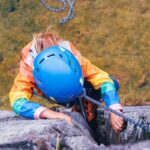
Use this hiking packing list UK travellers can adapt, not as a replacement for activity-specific safety planning. Cycling may require a helmet, lights and puncture-repair supplies. Paddling demands suitable buoyancy equipment, clothing and an understanding of water conditions. Climbing and scrambling may require specialist equipment and training.
Cold-weather and winter trips
Short daylight hours, ice and severe wind raise the stakes. Add insulation and appropriate hand protection, but recognise that winter mountain travel can demand crampons, an ice axe and the skills to use them. Check relevant avalanche information where applicable. If you lack the training, choose safer terrain.
Pack for access, not just capacity
Keep your waterproof jacket, map, gloves and snacks near the top of the pack. Stow spare clothing inside a liner, and put first-aid supplies and a torch somewhere predictable. Try the loaded bag on a short walk: it should feel balanced rather than pulling you backwards.
Before setting off, check footwear, filled bottles, charged devices, updated forecasts and your return arrangements. For more route preparation, consider a Lake District walking routes guide, a coastal path planning guide or a beginner hillwalking safety checklist alongside these packing basics.
Frequently asked questions
What should I pack for a day adventure in the UK?
Take weather-appropriate layers, waterproofs, suitable footwear, food, water, navigation tools, a charged phone, first aid and a head torch. Add emergency shelter and other supplies according to how remote or demanding the route is.
Do I need waterproof trousers in summer?
They are useful for prolonged rain and exposed hills even in summer. On a short, sheltered walk with a reliable dry forecast, you may decide differently; assess the likely consequences of becoming wet and cold.
Can I rely only on a hiking app?
Apps are convenient, especially with offline maps, but phones can run out of charge or fail. For remote terrain, carry a map and compass and practise navigating before the trip.
How large should my hiking backpack be?
Choose a pack that fits your required kit comfortably. A straightforward day walk needs less space than an overnight camping trip. Fit, stability and quick access matter more than buying the biggest capacity.
Ready for the outdoors
The best UK adventure packing checklist changes with the route, season and activity. Begin with protection from the weather, navigation, food, water and basic emergency supplies. Add the equipment your plans genuinely require, leave unnecessary weight behind, and be prepared to turn back if conditions change. Good preparation makes more room for enjoying the journey.