
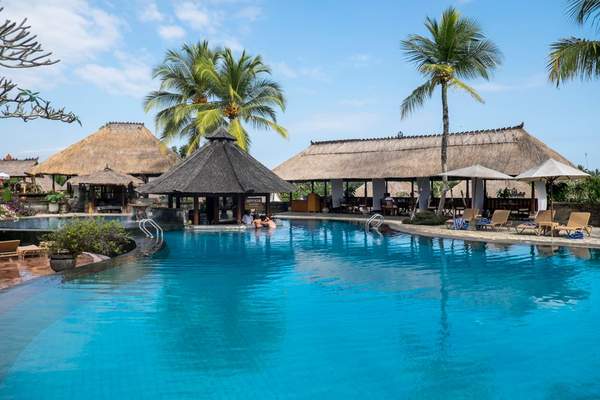
Two properties can sit on the same beach, charge similar nightly rates and offer very different holidays. One might be a comfortable base for exploring the area; the other might be designed so you scarcely need to leave. That is the useful distinction behind the resort vs hotel question: are you mainly booking somewhere to sleep, or somewhere to spend your days?
Neither option is automatically better. The right choice depends on what you want to do, how much time you plan to spend on site and which costs are included in the rate.
Resort vs Hotel: The Key Difference
A hotel primarily provides accommodation, usually with services such as reception, housekeeping and, depending on the property, dining or leisure facilities. Its appeal often lies in convenience: a practical location, a comfortable room and easy access to activities elsewhere.
A resort generally makes the property itself a substantial part of the trip. Resort accommodation often brings together leisure spaces, activities, food outlets and places to relax in one setting. Guests may plan an entire day around what’s available on site.
These are tendencies, not strict classifications. Some hotels resemble resorts, while smaller resorts offer relatively few extras. The name on the sign matters less than what the booking actually includes.
How the Experience Changes
Facilities and activities
A city hotel may offer a gym, restaurant and perhaps a swimming pool. A resort is more likely to promote a range of experiences, such as multiple pools, organised sports, spa treatments, entertainment or children’s activities. Not every resort has all of these, and many resort facilities cost extra.
Think about how you will spend the hours between breakfast and dinner. If your itinerary is packed with museums, walks or meetings, an extensive activity programme may have little value. If you want a leisurely pool day, those facilities could be the main reason to book.
Dining and meal plans
Hotels commonly offer room-only or breakfast-inclusive rates, sometimes with on-site restaurants and room service. Resorts may offer several dining venues and packages covering some or all meals.
A resort holiday is not necessarily all-inclusive. Even an all-inclusive package can exclude premium drinks, speciality restaurants or certain activities. Before booking, check the exact meal plan, dining hours, reservation requirements and charges for children. For more detail, our guide to all-inclusive versus room-only stays can help you compare what you really get.
Location and getting around
Hotels are often chosen for access to a city centre, station, airport or particular attraction. Resorts frequently occupy destinations associated with leisure, including beaches, mountains and countryside settings. Yet you’ll find urban resorts and remote hotels too.
The practical question is how easily you can reach the places you want to visit. An isolated resort may feel peaceful but require costly taxis or a hire car. A central hotel can make spontaneous restaurant visits and sightseeing much simpler. Check actual journey times rather than relying on descriptions such as ‘near the town’.
Price and what is included
Comparing nightly rates alone can be misleading. A hotel might have a lower advertised price but require separate spending on meals, transfers and activities. A resort might charge more upfront while including breakfast, pool access and entertainment. The reverse can also happen, especially where resorts charge additional facility or service fees.
Calculate the full cost for your dates: room rate, taxes, mandatory fees, meals, transport, parking and the experiences you expect to use. Then divide the total by the number of nights. The fairest hotel vs resort comparison uses the same assumptions for both properties.
A Practical Example: Three Nights by the Coast
Imagine a couple planning a three-night coastal escape. They want to visit local cafés, take a boat trip and explore nearby villages. A centrally located hotel with breakfast could suit them perfectly because most of their days will happen off site. Paying extra for organised resort activities would offer little benefit.
Now imagine a family with younger children visiting the same coast. They would prefer short walks between their room, a shaded pool and lunch. A resort with suitable family facilities might make the trip easier, even if its nightly price is higher.
Both groups are visiting the same destination. Their preferred daily routines, rather than the destination itself, determine which type of stay makes sense.
Which Should You Choose for Your Trip?
Choose a hotel when exploration is the priority
A hotel often makes sense for city breaks, business trips, short stopovers and holidays with a busy sightseeing schedule. Prioritise transport connections, room comfort, soundproofing and flexible check-in arrangements. If you’re weighing layouts and amenities, hotel room types explained is a useful next read.
Choose a resort when downtime is the priority
Resorts can work especially well for beach breaks, family holidays, spa weekends and trips focused on relaxation. Look beyond photographs to confirm that the pools, activities or wellness spaces you want are actually operating during your stay. Some facilities are seasonal, age-restricted or available only by reservation.
For a mixed trip, consider staying at a convenient hotel while exploring, then moving to a resort for a quieter finish. That split can give you the benefits of both without paying resort prices on days when you’re away.
Check These Details Before Booking
Property labels do not reliably reveal quality or value. Read recent reviews from travellers with similar priorities, inspect the location on a map and check the terms attached to your specific room rate. Resort photographs may feature premium pools or dining areas that not every guest can use.
Also check accessibility, cancellation terms and whether facilities are shared with other properties. Our accommodation booking checklist covers the practical questions worth answering before you pay.
Frequently Asked Questions
Is a resort more expensive than a hotel?
Not always. Some resorts cost less than luxury hotels, and packages can change the value considerably. Compare total trip costs, not just the starting nightly price.
Does a resort include food and activities?
Only when the booking terms say so. Resort facilities may be available on site without being free, and meal plans vary between properties and rates.
Can a hotel have resort-style facilities?
Yes. Hotels may offer spas, pools, children’s clubs and multiple restaurants. The practical experience matters more than the property category.
Is a resort better for families?
It can be, particularly when family-friendly activities and dining are close together. But a well-located hotel may suit families planning to spend most of their time exploring.
The Best Stay Fits Your Plans
When comparing a resort vs hotel, picture an ordinary day of your trip. Will you return to the property mainly to rest, or would you be happy spending most of your time there? Match that answer against the facilities, location and full cost of each option. A good choice is the one that supports your holiday, not simply the one with the longer amenities list.