
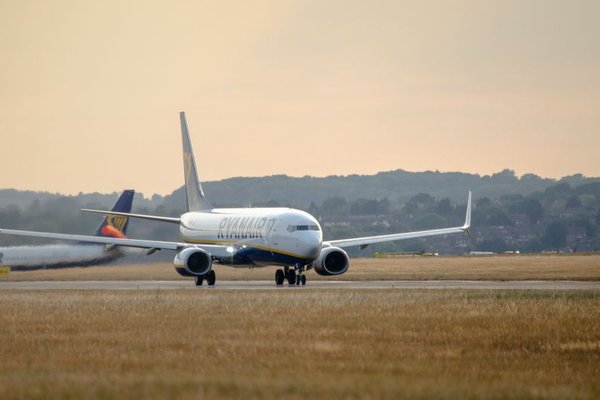
A £19.99 fare can look unbeatable until the booking page asks about cabin bags, seat selection, priority boarding and checked luggage. That is the main challenge with budget airlines from UK airports: the cheapest advertised ticket is only useful if it matches the way you actually travel. The smarter approach is to compare the full door-to-door cost before paying.
Low-cost airlines in the UK can still offer excellent value for European trips. The savings are strongest when you travel light and avoid extras. Once several add-ons appear, a cheap flight can cost as much as a more inclusive alternative.
Compare the real trip cost, not the headline fare
Price the same journey in the same way across airlines. Include the return fare, baggage you genuinely need, seat costs if sitting together matters, transport to and from both airports, and timing-related expenses such as an early taxi or extra hotel night.
Imagine Airline A shows a £38 return fare and Airline B shows £62. If Airline A needs a paid larger cabin bag and its arrival airport adds £28 in extra ground transport, the £24 headline saving has already disappeared. The cheapest fare on the first screen is not necessarily the cheapest trip.
A related guide to cheap flight booking tips would be a useful internal link here, because the same principle applies whenever you compare fares: work from the final realistic total, not the teaser price.
Know exactly what the basic fare includes
Baggage rules differ between airlines and are one of the easiest ways for budget airline fees to grow. Current published policies show the difference. Ryanair includes one small personal bag up to 40 x 30 x 20 cm. Wizz Air also allows one free carry-on bag up to 40 x 30 x 20 cm, with a maximum weight of 10 kg. easyJet allows one free small under-seat bag up to 45 x 36 x 20 cm, with a maximum weight of 15 kg.
A bag accepted by one carrier may be too large for another, and airport or gate charges can be much higher than arranging the correct allowance in advance. If you regularly use cheap airlines in the UK, measure your usual backpack at home rather than trusting a generic “cabin size” label. Check the packed bag, including wheels, handles and bulging pockets.
Do not buy baggage automatically
Before adding a suitcase, ask what the trip really requires. A two-night city break may fit into the included personal item. A winter holiday, family trip or longer stay may justify a checked bag from the start.
When you need more space, compare fare bundles with buying extras separately. Some bundles combine baggage, seats or priority benefits. A bundle makes sense when you would buy most of those features anyway.
Treat seat selection as optional unless it solves a problem
Budget carriers often charge for choosing a specific seat. Solo travellers who do not care where they sit can usually accept an allocated seat. Couples and groups should decide whether sitting together is worth the cost instead of clicking the option automatically.
Families should check the airline’s current seating rules because policies vary by carrier and children’s ages. A seat fee can be worthwhile when it solves a genuine need. It is wasted money when it is purchased only because the checkout makes it feel essential.
Factor in the airport before celebrating the fare
Low fare flights to Europe may use airports that are less convenient for your home or farther from the destination centre. A cheaper departure from Stansted, Luton or a regional airport may still be excellent value, but only after adding rail fares, parking, coach tickets and travel time.
Do the same at the other end. A secondary airport can create a longer or more expensive transfer, especially after a late arrival when public transport is reduced. Saving £20 on the flight is not a saving if you spend £45 more reaching your accommodation.
An internal guide to airport transfer planning would fit naturally here for readers comparing complete journey costs rather than airfares alone.
Watch the timing of extras and check-in
Many extra charges are easier to control when you plan early. Additional baggage bought online before travel is commonly cheaper than dealing with an oversized or unbooked bag at the gate. easyJet, for example, currently states that online baggage purchases are cheaper than airport charges and lists a £60 boarding-gate charge for a large cabin bag that has not been correctly booked.
Check-in windows also differ by airline and can depend on whether you paid for a seat. Put the opening time in your calendar instead of assuming every carrier works the same way. A simple reminder can prevent unnecessary stress or avoidable charges.
Check currency and payment choices
UK consumer rules generally prevent businesses from adding a surcharge simply because you pay with a consumer debit or credit card or certain electronic payment methods. That does not mean checkout is free of other costs. Currency conversion and optional services can still affect the total.
If a booking site offers to convert a foreign-currency fare into pounds, compare the rate shown with what your card provider would charge. Travellers with competitive foreign-exchange cards may prefer the airline’s original currency; others may value a clear sterling total.
Use a simple pre-booking test
Before paying, read the final booking screen carefully. Confirm the dates, airports, baggage, passenger names, seat choices and final price. Then compare that total with the best realistic alternative, not with the headline fare you first saw.
Ask yourself: would I still choose this airline if the first price displayed had included every extra I am now paying for? If the answer is yes, the fare is probably doing its job. If not, compare again.
Frequently asked questions
Are budget airlines from the UK always cheaper?
No. They can be very cheap when the basic fare matches your needs, but baggage, seats, airport transport and timing can change the comparison. Always compare the final trip cost.
Which UK low-cost airline has the biggest free cabin bag?
Policies can change. Based on published dimensions, easyJet’s free under-seat bag is larger than the free personal-item dimensions published by Ryanair and Wizz Air, although weight rules also differ. Check the airline’s website before every trip.
Is it cheaper to add baggage when booking?
Often, buying baggage online before travel is cheaper than paying at the airport or gate. Prices can vary by route, demand and timing, so check the airline’s current price for your exact flight.
Should I pay for priority boarding?
Only when the package gives you something you need, such as a larger cabin-bag allowance or a boarding benefit you value. Paying for priority purely because it is promoted during checkout may not improve the overall value.
Make the low fare work for you
Budget airlines are most useful when you treat the fare as a starting point rather than the final price. Travel light where practical, check exact bag dimensions, price airport transfers, skip extras that do not matter to you and compare the final total before paying. That approach keeps low-cost flying useful without letting small add-ons erase the saving.