
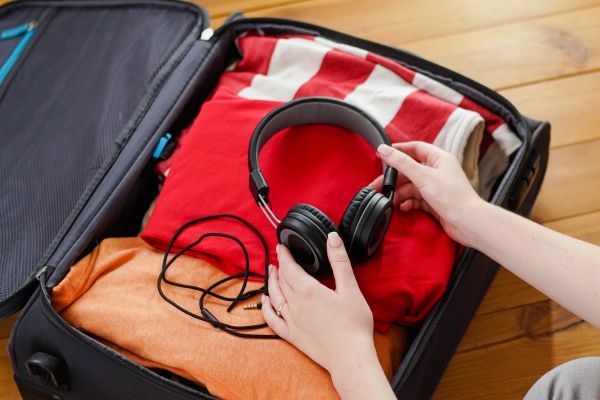
Travel has a soundtrack, whether people want it or not. The low engine hum of airplanes, crying babies a few rows back, rolling luggage across airport floors, train announcements repeating endlessly, and the constant background chatter of crowded terminals all become part of the experience. For some travelers, that noise fades into the background over time. For others, it becomes exhausting surprisingly fast.
That’s one reason conversations about the best noise cancelling headphones for travel have become so common in recent years. Travelers are no longer looking at headphones as simple entertainment devices. They have become tools for comfort, focus, and even emotional recovery during long trips.
A good pair of noise cancelling headphones can completely change the feel of a journey. Long flights become calmer. Busy airports feel less chaotic. Even short train rides suddenly feel more personal and controlled. The technology itself has improved dramatically too. Modern headphones are lighter, smarter, and far more comfortable than older models that often felt bulky or awkward after an hour or two.
For many frequent travelers, noise cancellation has quietly become one of those things that feels unnecessary until you experience it properly once. After that, it becomes difficult to travel without it.
Why Noise Cancelling Technology Matters During Travel
Travel noise is different from ordinary daily noise. It is continuous, layered, and often unavoidable. Airplane cabins, in particular, create a steady low-frequency sound that can become mentally draining over several hours.
Noise cancelling technology works by using microphones to detect surrounding sound waves and then generating opposing frequencies that reduce what reaches the listener’s ears. The result is not total silence, but rather a softer, calmer environment that feels noticeably less stressful.
This difference matters more than many people expect.
Constant background noise forces the brain to stay slightly alert even when someone is trying to rest. Travelers often arrive feeling mentally tired not just because of time zones or long schedules, but because their senses never fully relaxed during transit.
Good headphones reduce that fatigue. They create a small personal space inside crowded environments, which can make airports, flights, and public transportation feel less overwhelming.
Some travelers use them mainly for music or movies, while others simply wear them with no audio at all because the noise reduction itself feels comforting.
Comfort Is Just as Important as Sound Quality
When people first shop for travel headphones, sound quality usually gets most of the attention. But during actual travel, comfort quickly becomes just as important.
A pair of headphones might sound incredible for thirty minutes yet feel unbearable during an eight-hour flight. Tight clamping pressure, heavy materials, or poorly cushioned ear cups can turn small discomforts into major frustrations over time.
The best noise cancelling headphones for travel are usually the ones people forget they are wearing.
Lightweight construction matters more than many realize. Travelers often wear headphones for extended periods while moving through airports, sitting on planes, or waiting during layovers. Heavy designs can create neck fatigue surprisingly quickly.
Breathable ear cushions also make a difference, especially in warmer climates or crowded terminals where body heat builds up faster. Some headphones trap heat after long use, while others remain relatively cool and comfortable.
Interestingly, comfort preferences vary a lot between travelers. Some people prefer large over-ear designs because they feel immersive and relaxing. Others prefer compact earbuds that take up less space and feel easier to carry during constant movement.
There is no single perfect design for everyone, which is part of why the market has expanded so much in recent years.
Battery Life Has Become a Major Travel Priority
Long-distance travel tends to expose weaknesses in electronic devices quickly. Battery anxiety becomes real somewhere around the middle of a delayed international flight when charging ports stop working or airport outlets are already occupied.
Because of this, battery life has become one of the defining features of modern travel headphones.
Many premium models now offer enough playback time to survive multiple long-haul flights without recharging. Fast charging has also improved significantly. A short charging session during a layover can sometimes provide several additional hours of use.
This reliability matters because headphones often become essential travel tools rather than occasional accessories. Travelers use them for entertainment, sleep assistance, work calls, podcasts, meditation apps, and simply blocking surrounding noise during stressful moments.
Wireless technology has also become far more stable than it once was. Early Bluetooth headphones often struggled with connection drops or frustrating pairing issues. Modern devices generally transition much more smoothly between phones, tablets, and laptops.
Still, some travelers continue carrying wired backup options, especially on international trips where reliability becomes more important than convenience alone.
The Difference Between Earbuds and Over-Ear Headphones
One of the biggest decisions travelers face involves choosing between compact earbuds and traditional over-ear headphones.
Over-ear headphones usually provide stronger noise cancellation because larger ear cups physically block external sound while active cancellation technology handles remaining background noise. They also tend to deliver richer sound quality and longer battery life.
For long flights, many travelers still prefer over-ear models because they create a more immersive sense of separation from the surrounding environment.
However, earbuds have improved dramatically over the past few years. Premium wireless earbuds now offer surprisingly effective noise cancellation in much smaller designs. They are easier to pack, lighter to carry, and often more practical during active travel days.
Some travelers dislike the feeling of large headphones around their neck while navigating airports or crowded streets. Earbuds solve that issue completely.
On the other hand, earbuds can become uncomfortable during extended wear depending on ear shape and fit. Battery limitations are also more noticeable with smaller devices.
The choice often comes down to travel style. Minimalist travelers may prioritize portability, while long-haul flyers often lean toward comfort and immersion.
Noise Cancellation Is Changing the Way People Travel
Something interesting happens when travelers begin using noise cancelling headphones regularly. Travel itself starts to feel slower and calmer.
Busy environments remain visually crowded, but mentally they feel less overwhelming. Airport delays become easier to tolerate. Long flights feel less exhausting. Even commuting between destinations becomes more manageable.
This shift is partly psychological. Humans naturally react to constant sensory input, and travel environments rarely allow the brain to rest completely. Reducing surrounding noise creates a sense of personal control inside situations that often feel chaotic or unpredictable.
For anxious travelers, this effect can be especially valuable. Noise cancellation helps reduce overstimulation during stressful travel moments like turbulence, crowded boarding gates, or delayed connections.
It also improves sleep quality during flights for many people. While headphones cannot fully recreate silence, they reduce enough ambient noise to make rest easier, especially when combined with calming music or white noise.
Over time, many travelers begin associating headphones with the emotional ritual of travel itself — a signal that it is time to disconnect slightly from the outside world.
Durability and Portability Matter More Than Expected
Travel can be rough on electronics. Headphones get stuffed into backpacks, carried through security bins, dropped into airplane seat pockets, and exposed to changing temperatures throughout a trip.
Because of this, durability becomes more important than it might seem during a quick store demo.
Foldable designs remain popular because they reduce space inside carry-on bags. Protective carrying cases also matter more than people expect, especially for over-ear models with moving hinges and soft ear cushions.
Water resistance has become increasingly common too. Travelers often encounter unexpected rain, humid climates, or sweaty transit conditions that older electronics struggled to handle.
At the same time, portability still matters. Some premium headphones deliver excellent performance but feel inconveniently large during active travel days. Others sacrifice too much comfort in pursuit of compactness.
Finding the right balance depends heavily on how someone travels and what kind of trips they take most often.
Sound Quality Still Shapes the Experience
Even though noise cancellation usually gets the most attention, sound quality still plays a major role in overall travel enjoyment.
Music often becomes deeply connected to travel memories. A playlist listened to during a night train ride or a long international flight can permanently attach itself to certain places and emotions.
Good sound quality enhances that experience in subtle ways. Clear vocals, balanced bass, and immersive audio make long hours of listening feel more relaxing rather than fatiguing.
Podcasts, movies, and audiobooks also benefit from cleaner sound separation, especially in noisy environments where weak audio struggles to compete with background noise.
Still, most travelers are not searching for perfect studio-level sound while sitting in an airplane cabin. Comfort, reliability, and noise reduction usually matter more than highly technical audio details during real-world travel.
Conclusion
The search for the best noise cancelling headphones for travel is really about improving the experience of travel itself. Modern journeys involve constant movement, crowded environments, delays, and sensory overload that can quietly drain energy over time.
Noise cancelling headphones help create moments of calm inside that chaos. They reduce background fatigue, improve comfort during long trips, and give travelers a sense of personal space even in crowded surroundings.
At the same time, the best option depends heavily on personal habits and travel style. Some travelers prioritize immersive over-ear comfort, while others prefer the portability of compact earbuds. Battery life, fit, durability, and sound quality all shape the experience differently for different people.
What remains consistent is the role these headphones now play in modern travel culture. They are no longer just accessories for music lovers. For many people, they have become part of the essential travel experience itself, quietly transforming noisy journeys into something a little more manageable, peaceful, and personal.