Wales has a way of making the sea feel like part of the landscape rather than its edge. On a coasteering trip, you explore that boundary at water level: scrambling across rocks, swimming through sheltered channels and, if you choose, jumping into the sea. Coasteering in Wales is special because the adventure changes with every cove and the conditions on the day.
You do not need to be a fearless cliff jumper. A well-run guided session matches the challenge to your confidence. Knowing where to go, what to wear and what to ask beforehand helps you enjoy the experience.
What happens on a coasteering session?
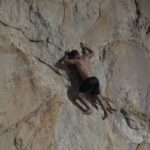
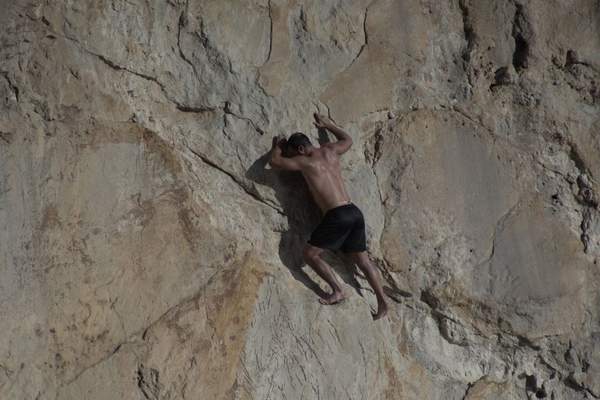
Coasteering combines movement along a rocky shoreline with swimming and climbing. You might traverse low ledges, enter the water in a controlled way, swim across an inlet and climb back onto shore. Guides may point out unusual rock formations and wildlife as you travel.
Typical guided sessions last around two to three hours, though time in the sea varies. Before entering, expect a safety briefing covering movement, communication and safe water entry. Your guide should explain the route and check how comfortable the group feels.
Do you have to jump off cliffs?
No. Jumps are generally optional, and a bigger leap does not mean a better trip. A guide assesses each location and offers alternatives if you prefer not to jump. Never copy an unsupervised jump from a cliff: submerged rocks, swell and changing water depth can make it dangerous.
Best places to go coasteering in Wales
Pembrokeshire: the classic destination
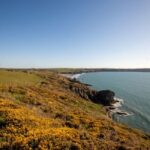
Coasteering Pembrokeshire trips have a special place in the activity’s history. Modern coasteering developed around St Davids, and the national park remains a leading destination. Its gullies, coves and rocky headlands give local guides plenty of options for routes suited to the weather and group.
Abereiddy and its striking Blue Lagoon are familiar landmarks. The lagoon occupies a former slate quarry, but the dramatic setting is not an invitation to try cliff jumping on your own. Pembrokeshire Coast National Park warns about currents and unsupervised jumping here. Book an organised session rather than improvising from a sightseeing stop.
The St Davids Peninsula, including areas near Porth Clais, is another established coasteering area. Operators also use suitable stretches around South Pembrokeshire. Your precise meeting point may change with conditions, so do not assume a famous cove will feature on every booking.
Gower Peninsula and South Wales
Gower’s rocky bays and headlands make it a popular option close to Swansea. Operators select manageable stretches based on exposure and sea conditions. Farther east, guided outings also take place along the Glamorgan Heritage Coast around Southerndown and Ogmore.
These areas suit short breaks combining sea activities with walking. A guide to the best coastal walks in Wales offers useful inspiration for a gentler next day.
Anglesey and the Llŷn Peninsula
In North Wales, Anglesey and the Llŷn Peninsula offer rocky coastlines and varied sea-level features. Operators use locations around Rhoscolyn and Porth Dafarch when conditions are suitable. Choose by accessibility, swimming requirements and the operator’s approach to beginners rather than by dramatic photographs alone.
What should you wear and bring?
Providers usually supply a wetsuit, buoyancy aid and helmet. Some provide footwear; others require sturdy trainers that can get wet. Check your booking confirmation, since flip-flops and ordinary beach sandals may not give enough grip or protection on rocks.
Wear swimwear beneath your wetsuit. Pack a towel, dry clothes and drinking water for afterwards. Leave valuables and loose jewellery behind, and ask about securing glasses if needed. Even in summer, Welsh sea temperatures can feel cold. Tell your guide promptly if you become uncomfortable or start shivering.
Can beginners and families take part?
Many operators offer beginner-friendly routes with gentle swims, manageable scrambles and optional jumps. You should be reasonably fit, comfortable around water and able to follow instructions. Visit Wales suggests an ability to swim about 25 metres, although individual providers may require more. Minimum ages and other restrictions vary.
A buoyancy aid helps you float but is not a substitute for swimming ability. Tell the operator about anxiety around deep water, injuries, medical needs or mobility limitations before booking. A responsible provider can discuss whether the planned session is appropriate rather than leaving the decision until everyone is standing on the rocks.
How to book a good guided coasteering trip
When comparing guided coasteering Wales options, look beyond pictures of dramatic jumps. Choose experienced local leaders who supply proper kit, explain participant requirements and have a clear plan for rough conditions. The National Coasteering Charter publishes safety guidance for providers; asking about training and safety procedures is reasonable.
Check group size, duration, meeting arrangements, equipment included and the policy for postponements. Ask whether there are easier route options. The provider should be comfortable answering these questions without making you feel awkward for asking.
For example, suppose you are spending two nights near St Davids with a teenager who swims confidently but dislikes heights. Contact a local operator and request a beginner route with optional jumps. Keep the following afternoon flexible in case swell forces a change. That conversation is more useful than choosing the session advertising the tallest leap.
Why tides and weather matter so much
The same stretch of coastline can behave differently from one day to the next. High water may cover useful ledges; low water can expose awkward rocks. Swell changes how safe a channel feels, while wind and visibility affect route decisions. Qualified guides assess the conditions and adjust accordingly.
Independent coasteering is not a sensible shortcut for first-timers. Hazards include slippery rock, currents, waves, submerged obstacles and difficult exits. Stay with the group, follow instructions and respect wildlife and sensitive nesting areas. A shortened route or cancellation can show good judgement, not poor service.
If your trip includes other Pembrokeshire adventure activities, avoid packing every hour with bookings. A what to pack for a UK outdoor adventure checklist is also helpful for organising spare layers and practical extras for the journey home.
Frequently asked questions
Is coasteering in Wales suitable for complete beginners?
Yes, many guided sessions are designed for first-timers, with easier routes and optional jumps. Always check the operator’s swimming and fitness requirements.
When is the best time to go?
Warmer months are popular for comfort, but suitability depends on the day’s sea conditions and the operator’s schedule. Wetsuits reduce cold exposure without removing it.
Do I need to be a strong swimmer?
You need enough ability and confidence to meet the provider’s requirements. Ask directly about the expected swimming distances and any sections in deeper water.
Will my session run if it rains?
Possibly. Rain alone may matter less than wind, swell, tide and visibility. The guide may change the location, shorten the outing or postpone it.
Discover the coast from a different angle
A memorable coasteering trip is not defined by the height of a jump. It is the chance to explore gullies, ledges and coves with someone who understands the sea. Choose a suitable location, describe your abilities accurately and leave room for conditions to shape the route. That is how a Welsh coastal adventure becomes something worth remembering.