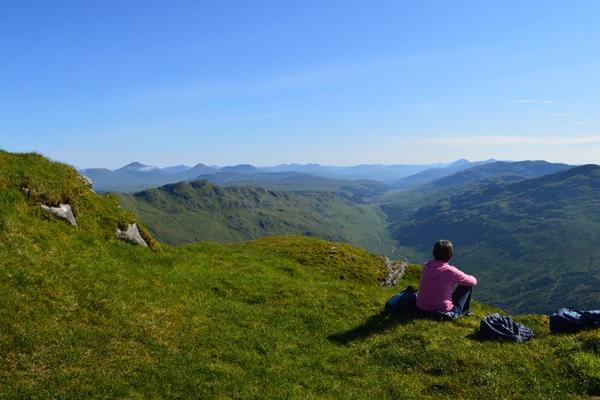
The first time you look up at a Scottish Munro, the summit can seem impossibly far away. That’s part of the appeal: a day climbing from lochside paths into open mountain country. But munro bagging for beginners works best when the goal is not simply reaching the top. It is learning to make sound decisions and getting down safely.
A Munro is a Scottish mountain at least 3,000 feet (914.4 metres) high on the Scottish Mountaineering Club’s official list. There are currently 282. Walking them is known as Munro bagging, but there’s no deadline and no need to rush. Your first outing should build confidence rather than test your limits.
Choose Your First Munro for the Route, Not the Reputation
A mountain’s height alone tells you little about the day. Compare distance, ascent, terrain, exposure, navigation difficulty and retreat options. A popular hill can still feel serious in strong wind or low cloud. For your first Munro, favour a well-described summer walking route without scrambling or a narrow, exposed ridge.
Ben Lomond, above Loch Lomond, is a commonly suggested first Munro. Its usual tourist path is established, and route information is widely available. That doesn’t make it effortless: the ascent is sustained, the descent can tire your knees, and mist can hide the route. Choose the standard path rather than assuming every route up the mountain is beginner-friendly.
If that sounds ambitious, practise on smaller Scottish hills first. A few days climbing on uneven ground will teach you more than collecting summit names from a list. Start by finding some easy Scottish hill walks suited to your experience.
Read Mountain Conditions, Not Just the Town Forecast
Munro hiking in Scotland means dealing with weather that can change dramatically between the glen and the summit. Before leaving, check a mountain-specific forecast from the Mountain Weather Information Service or the Met Office. Pay attention to wind speed and gusts, cloud base, visibility, precipitation and the freezing level.
Check again on the morning of your hike. A dry forecast for a nearby village does not promise a calm summit. If winds are severe, visibility is poor or snow and ice may be present, choose a lower walk or postpone. Scottish high ground can be unexpectedly cold even in summer.
Plan the Whole Day, Including the Way Back
Read a current route description and study an Ordnance Survey map before setting out. Identify parking, ascent and descent routes, steep ground, stream crossings and confusing junctions. Note the total ascent as well as the distance; climbing often dictates effort more than kilometres.
Here’s a practical test for your first Munro: before leaving the car, set a turnaround time based on daylight, forecast and your party’s pace. If you reach a checkpoint later than expected, reassess the remaining ascent and descent instead of pushing on. A summit is optional; a safe return is not.
Tell someone your route and expected return time. Allow for food stops, navigation pauses and slower movement downhill. An early start gives you flexibility, but it never makes a dangerous forecast acceptable.
Learn to Navigate Before Visibility Disappears
Popular Munro routes may have paths, yet these can fade across boulders, bog or open slopes. Fog can turn an obvious ridge into a confusing stretch of grey. Carry a suitable paper map and compass, know how to use them and check your position throughout the walk.
A downloaded offline map on a charged phone is useful backup, not your only plan. Practise matching paths, contours and landmarks to the map on easier walks. Studying map and compass navigation basics beforehand will help you recognise when you’re drifting off route.
Pack for a Mountain Day, Even in Summer
For snow-free hillwalking, start with supportive footwear suited to wet, rough ground, comfortable socks, warm layers, and waterproof jacket and trousers. Add a hat, gloves, food, water, a headtorch, first-aid supplies, whistle, charged phone and small emergency shelter. Bring navigation equipment you can actually use.
Keep essentials accessible rather than buried beneath lunch. Try your loaded pack on a shorter walk first. Wet cotton clothing can make a windy stop unpleasant. Adjust your kit to the season, route and forecast instead of copying a generic checklist.
Set a Pace You Can Maintain on the Descent
Start more slowly than excitement suggests. You should be able to speak without constantly stopping for breath. Eat and drink regularly, take brief breaks out of the wind, and check how everyone feels. The person struggling most sets the sensible pace.
Munro walking is often harder on the way down than beginners expect. Tired legs, slippery stones and fading concentration make the last hour important. If your group is exhausted below the summit, turning around is good mountain judgement, not failure.
Leave Winter Munros for a Later Stage
Snow and ice can transform a summer footpath into mountaineering terrain. Winter outings may require an ice axe, crampons, avalanche awareness and skills to use the equipment correctly. Carrying specialist gear alone does not make an ascent safe. Develop summer navigation first, then seek qualified instruction. Reading about winter mountain safety in Scotland can guide your next steps, but it is not a substitute for training.
Respect the Scottish Outdoor Access Code, avoid damaging fragile ground, take litter home and be considerate of wildlife. If someone is injured or in serious danger, call 999 or 112, ask for Police and then Mountain Rescue, and give your location as precisely as possible.
Frequently Asked Questions
Do I need to be an experienced hiker to bag my first Munro?
Not necessarily, but you should be comfortable with sustained uphill walking, uneven ground and basic navigation. Build up on smaller hills, choose favourable conditions and consider an experienced companion or qualified guide.
How many Munros are there in Scotland?
The Scottish Mountaineering Club currently lists 282 Munros. The list can change if authoritative height or mapping information is revised, so check the official list when tracking your progress.
What is the best time of year for a beginner’s first Munro?
Longer, generally milder days from late spring to early autumn often give beginners more flexibility. Conditions matter more than the calendar: check the mountain forecast and whether snow or ice remains on the route.
Can I go Munro bagging alone?
Solo walking requires stronger self-reliance. For your first Munro, going with someone experienced or joining a guided group can help with route choices. Either way, leave a route plan with someone and arrange a return check-in.
Make the First Summit the Beginning
The most useful thing to collect on your first Munro isn’t a tick on a list. It’s experience: noticing changing weather, reading the landscape, judging your pace and knowing when to turn back. Pick a manageable route and let each outing build the skills for the next. Scotland’s mountains will still be there when conditions are better.