
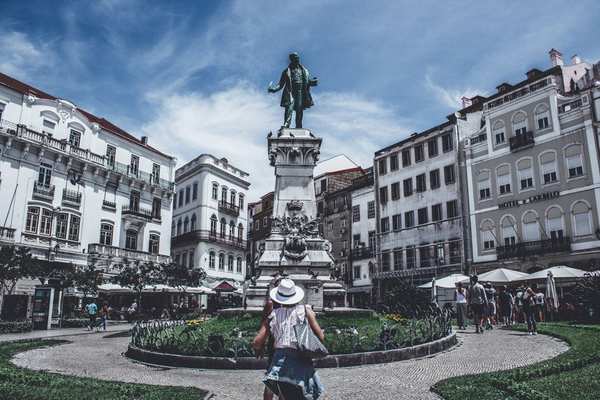
Paid landmarks can dominate a city-break budget, but they are only one layer of what a European city offers. Historic streets, parks, public viewpoints, markets, churches, waterfronts, neighbourhoods and cultural events can fill a day without an admission ticket. The useful skill is not memorising a fixed list of free attractions in Europe; it is learning how to find genuinely worthwhile free options in almost any city before you arrive and while you are there.
Start with the city’s official tourism website
Official tourism boards are one of the best starting points for budget sightseeing in Europe because they usually organise attractions by neighbourhood, theme and price. Search the site for terms such as “free”, “no admission”, “public space”, “free museum” and “events”. Do not stop at the main attractions page. Check the events calendar, museum section, parks, walking routes and neighbourhood guides too.
Also look for official city-government websites. Municipal museums, cultural centres, libraries and public galleries may not appear prominently on commercial travel sites, yet they can offer excellent free city activities. In Paris, for example, most permanent collections in the City of Paris museums are free, although some sites and temporary exhibitions are charged. London is another useful example: many major museums and galleries can be visited without a general admission fee.
Separate “always free” from “free at certain times”
A place described online as free may only be free on a particular day, during certain hours, for selected age groups or for permanent collections rather than temporary exhibitions. That distinction matters when you are building an itinerary.
Create two groups in your notes: places that are normally free and places with conditional free entry. Then confirm the current rules on the attraction’s own website shortly before visiting. This avoids arriving on the wrong day or discovering that a widely repeated travel tip is outdated.
Search by activity type, not just by attraction name
When people search for cheap things to do in Europe, they often focus on museums and famous landmarks. A better method is to search by experience. Try combinations such as “free viewpoint”, “riverside walk”, “historic quarter walk”, “botanical garden free entry”, “street art area”, “public market”, “free concert” or “city park” plus the destination name.
This approach uncovers places that may never appear on a “top 10 attractions” list. A hilltop neighbourhood, university courtyard or long riverside promenade can provide several hours of sightseeing at no cost while also showing you more of the city than a single paid attraction.
Use maps to build your own free walking route
Open a map and save several free places in the same area. Then connect them on foot. This turns scattered recommendations into a practical half-day plan and can reduce transport spending at the same time.
For example, imagine you have saved a cathedral square, a food market, a riverside path, a public garden and a viewpoint. Instead of treating them as five separate stops, arrange them into one continuous route. Check opening times where relevant, place the time-sensitive stop first, and use the outdoor sights as flexible parts of the day. This is especially useful for a short city break where both time and money are limited.
Check local event calendars close to your travel dates
Some of the best free activities are temporary. Cities regularly host outdoor concerts, neighbourhood festivals, seasonal markets, public exhibitions, cultural celebrations and open-air film screenings. These may be announced only weeks before they happen.
About a week before departure, check the official city events calendar again. Then search the websites of major parks, universities, cultural centres and local councils. A trip planned months earlier can gain several free experiences simply because you refreshed your research near the travel date.
Look beyond the historic centre
Central districts are convenient, but they often contain the highest concentration of paid attractions. Residential neighbourhoods can offer architecture, street art, local markets, parks, canals and everyday city life without an entrance fee. They can also be calmer and less crowded.
Choose one or two neighbourhoods that are easy to reach and identify a few specific things to see there. This keeps the outing purposeful rather than turning it into aimless wandering. It also pairs naturally with broader planning around budget city breaks, affordable local transport and low-cost food.
Use reviews to check whether “free” is actually worth your time
Free does not automatically mean good value. Your time is limited, especially on a weekend trip. Before adding a place to your itinerary, read recent visitor reviews and look at current photos. Check whether the main area is open, whether there is construction, whether a reservation is required and whether the experience is substantial enough for the journey.
Prioritise free places that fit naturally into your route or offer something distinctive. A ten-minute detour to a beautiful public courtyard may be worthwhile; a forty-minute journey to an underwhelming free exhibit may not be.
Build a balanced free-and-paid itinerary
The goal does not have to be spending nothing. Free attractions can make room in your budget for one or two experiences you genuinely care about. If a city has an expensive landmark you have always wanted to visit, surround it with free walking areas, parks, viewpoints and museums rather than adding several more ticketed stops.
This creates a more flexible day and keeps sightseeing costs predictable. It also makes it easier to adapt if the weather changes or you feel tired, because outdoor and no-ticket activities are often simpler to move around.
FAQ
How can I find free things to do before visiting a European city?
Start with the official tourism website and city-government pages, then search for free museums, parks, viewpoints, walking routes and events. Save promising places on a map and confirm current admission rules on each attraction’s official website.
Are museums in Europe usually free?
Policies vary by city and museum. Some are free all year, some offer free permanent collections, and others have specific free-entry periods or eligibility rules. Always check the museum’s current ticket page rather than relying on an old travel article.
Do I need to book free attractions in advance?
Sometimes. A zero-cost ticket or timed reservation may still be required, particularly at popular museums or events. If an attraction is important to your plan, check booking requirements even when admission is free.
What are the easiest free activities to find in most European cities?
Public parks, historic squares, waterfront walks, markets, neighbourhoods, churches with free access, street art areas and viewpoints are common starting points. Seasonal events can add even more options if you check local calendars shortly before your trip.
Make free sightseeing part of the planning method
The most reliable way to save money is to treat free sightseeing as part of itinerary design rather than as a last-minute backup. Research official sources, distinguish permanent free entry from limited offers, group nearby places into walking routes and refresh event listings before departure. With that method, free things to do in European cities become easier to find, easier to schedule and much more useful for keeping a travel budget under control.