There’s a particular kind of exhaustion that comes from cramming six cities into ten days. You land, you rush, you photograph, you move on – and somewhere along the way, the holiday itself becomes another item on the to-do list. For 2026, UK travellers are pushing back against this pattern in a big way, and slow travel has emerged as the single strongest holiday trend of the year.
Slow travel isn’t about doing less for the sake of it. It’s about choosing depth over breadth – fewer destinations, longer stays, and the kind of unhurried pace that lets a place actually settle into your memory. If you’re planning a getaway that prioritises calm over checklists, here are some genuinely practical slow travel holiday ideas to consider for the year ahead.
Why Slow Travel Is Defining 2026
The shift towards slow travel 2026 didn’t happen overnight. After years of tightly packed itineraries and social-media-driven bucket lists, many travellers have started asking a simple question: was that actually relaxing? The answer, for a growing number of people, is no. Instead, holidaymakers are choosing one region and staying put, trading airport queues for long lunches and empty afternoons.
This isn’t just a wellness fad either. Longer stays often work out better value, reduce travel fatigue, and give you time to genuinely understand a place – its rhythms, its food, its people – rather than skimming the surface.
What Slow Travel Actually Looks Like
Choosing One Base Over Several
Rather than hopping between three or four cities, slow travel encourages picking a single base and exploring outward from there. A week in a Tuscan village, for instance, lets you take day trips at your own pace while still coming home each evening to the same familiar streets and the same friendly faces at the local café.
Embracing Longer Stay Holidays
One of the clearest markers of this trend is the rise in longer stay holidays – two, three, even four weeks in one location. This suits remote workers who can blend a holiday with a few working mornings, but it also appeals to retirees and couples who simply want to escape the rush of a typical week-long trip. Longer stays also tend to unlock better accommodation rates, particularly for self-catering apartments and countryside cottages.
Prioritising Mindful Travel Over Ticking Boxes
Mindful travel is really the philosophy underpinning all of this. It means leaving gaps in the itinerary on purpose. It means saying no to the fourth museum of the day because you’d rather sit by the harbour and watch the boats come in. It means arriving somewhere and letting curiosity, rather than a spreadsheet, decide what happens next.
Slow Travel Holiday Ideas Worth Considering
A Coastal Village in Portugal
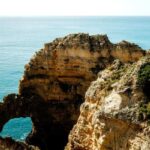
Somewhere like the Algarve’s quieter towns, away from the resort strips, offers exactly the kind of unhurried pace slow travel is built for. Rent an apartment for two or three weeks, get to know the fish market, and let each day shape itself around the weather and your mood rather than a fixed schedule.
A Countryside Retreat in the Scottish Highlands
You don’t need a passport to slow down. A self-catering cottage in the Highlands, booked for ten days or more, gives you long walks, dark skies, and none of the pressure to “see everything” that shorter breaks often bring.
An Extended Stay in the Greek Islands
Rather than island-hopping, choosing one Greek island and staying for a fortnight allows you to build a genuine routine – the same taverna, the same beach, the same sunset spot. It’s a far calmer rhythm than chasing ferries between destinations.
A Slow Immersion in the French Countryside
Regions like the Dordogne or Provence lend themselves beautifully to long, quiet stays. Weekly markets, gentle cycling routes, and long dinners outdoors are the whole point – not a distraction from “real” sightseeing.
How to Plan a Slow Travel Holiday
Start With Bespoke Holiday Planning
Because slow travel is so personal – built around your interests, your pace, and how long you can realistically be away – it benefits enormously from bespoke holiday planning rather than an off-the-shelf package. Working with a travel specialist who understands slow travel means your trip is designed around what actually matters to you, whether that’s food, walking, art, or simply doing nothing much at all.
Leave Room in the Itinerary
The biggest mistake people make when attempting slow travel is still overplanning. Block out entire days with nothing scheduled. Let the location fill in the gaps.
Think in Weeks, Not Days
If your budget or annual leave allows, aim for a minimum of ten days in one place, ideally two weeks or more. This is where slow travel really earns its name – and its benefits.
The Benefits Beyond Relaxation
Slow travel tends to be gentler on the wallet over time, since longer bookings often bring lower nightly rates. It’s also gentler on the planet, given fewer flights and less constant movement. And perhaps most importantly, it tends to produce the kind of holiday memories that actually stick – not a blur of landmarks, but a genuine sense of having lived somewhere, even briefly.
Frequently Asked Questions
What exactly is slow travel?
Slow travel is an approach to holidaymaking that favours fewer destinations, longer stays, and a relaxed, unstructured pace, rather than trying to see as much as possible in a short amount of time.
Is slow travel more expensive than a typical holiday?
Not necessarily. While the total trip length may be longer, longer stay holidays often come with discounted weekly or monthly accommodation rates, and fewer flights or transfers can reduce overall costs.
How long should a slow travel holiday be?
There’s no strict rule, but most slow travel holidays run from ten days up to several weeks, giving enough time to settle into a genuine routine rather than rushing through a checklist.
Is slow travel suitable for families?
Yes, and increasingly popular with them. A slower pace with one base tends to be less exhausting for children and allows more downtime, making it well suited to family trips, particularly during school holidays.
Final Thoughts
Slow travel isn’t a passing trend so much as a correction – a return to holidays that actually feel like a break. As 2026 unfolds, more UK travellers are choosing depth over distance, and swapping packed itineraries for the simple pleasure of staying still for a while. Wherever you choose to go, the idea remains the same: fewer places, more time, and a much calmer trip.